About the Journal
Victorian Network is an open-access, MLA-indexed, peer-reviewed journal dedicated to publishing and promoting the best work across the broad field of Victorian Studies by postgraduate students and early career academics.
The new Call for Papers for our next issue, "Victorian Pedagogy," is live now.
You can have a look at it here: Victorian Pedagogy. We also have an open Call for Book Reviews.
The issue will be guest-edited by Kevin A. Morrison and is open until April 7th.
Our previous editions:
- Victorian Contagion
- Victorian Ecologies
- Victorian Visions
- Forgery and Imitation
- Victorian Brain
- Victorian Dirt
- Victorian Bodies and Body Parts
- Victorians and the Law: Literature and Legal Culture
- Victorian Other Worlds
- Sex, Courtship and Marriage in Victorian Literature and Culture
- Production and Consumption in Victorian Literature and Culture
- Theatricality and Performance in Victorian Literature and Culture
- Crossing the Line: Affinities Before and After 1900
- Victorian Literature and Science
- The British Empire and Victorian Literature and Culture
Current Issue
Vol. 11 No. 1 (2023): Victorian Contagion
Kari Nixon, Research Fellow
(Norwegian University of Science and Technology)
In the initially published version of Vol. 11 “Victorian Contagion”, most footnotes were missing. This has now been corrected.
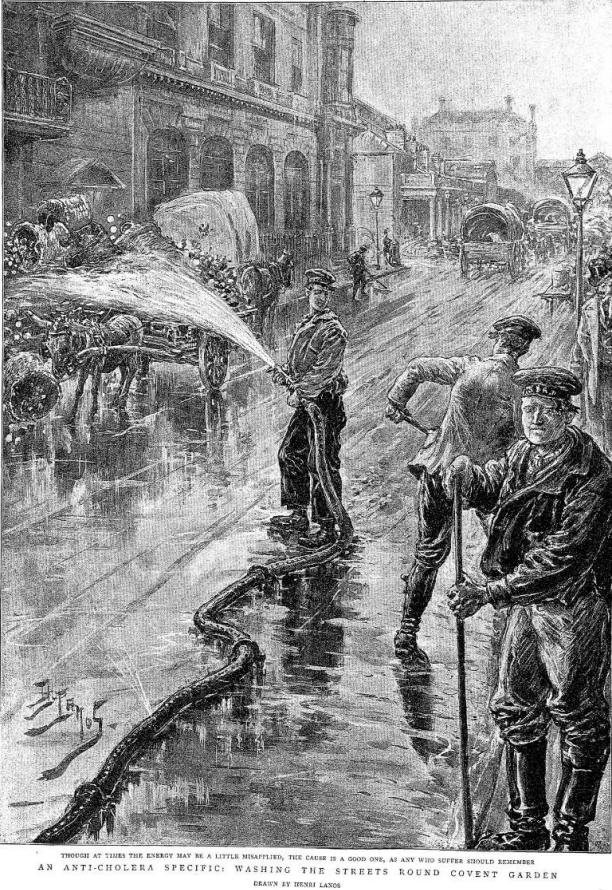
Those few of us who have made our careers by contemplating Victorian notions of contagion were, perhaps, surprised to find the public suddenly hungry for the topic in the wake of the COVID-19 pandemic’s beginnings. Not that the topic was ever a seemingly esoteric choice to those of us who selected it as our field specialty, but while most academic research is by definition found amid niche
topics, to be a self-avowed ‘contagious disease scholar’ before COVID-19 was typically met with surprise, even from other niche academics. Thus, while the relevance of contagion to society was always, perhaps, clear to those of us ‘niche’ specialists, we were not, generally, wont to find others so keenly aware of the
relevance of our studies to modern life.
Published:
2023-09-08